

Event Security Planning in London and Every thing Organisers Need to Know
What keeps a successful event running smoothly without anyone noticing? The answer lies in professional security working quietly in the background, managing people, risks, and logistics with precision so guests focus only on the experience. Partnering with experienced security services in London during the event planning phase is what makes the difference between successful events and those where avoidable problems arise at the most unsuitable time.
Why Early Security Planning Prevents the Most Costly Mistakes
Security that has been added to the plan at the last minute tends to perform poorly compared to security that has been part of the planning right from the beginning. The design of the venue, the system used for selling tickets, the setup of entrance points, and communication methods each have their own security concerns that can be addressed more easily and cheaply during the planning stage. Here are the early planning elements that most directly influence overall event security outcomes-
● Venue risk assessment
● Entry and exit point mapping
● Staffing level calculation
● Communication protocol establishment
● Contingency planning for medical emergencies, crowd incidents, and evacuation scenarios
● Accreditation and access control systems
How CCTV and Technology Strengthen Event Security
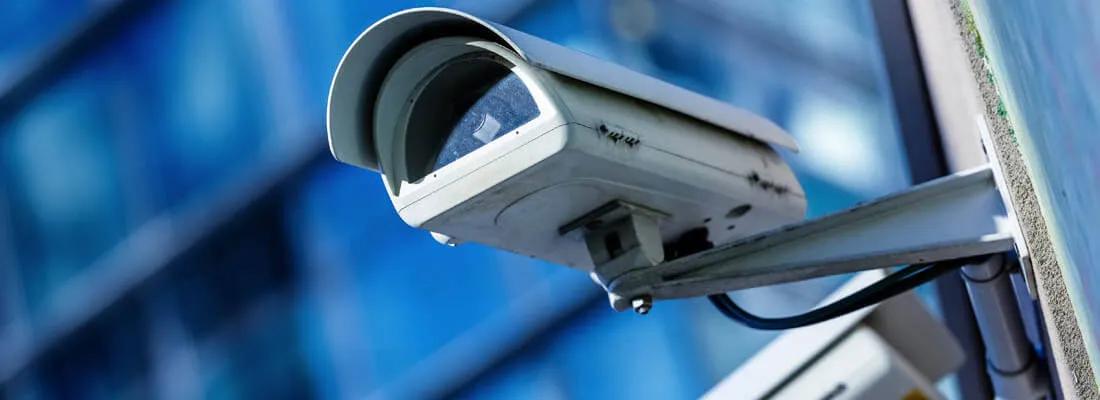
Professional CCTV installation London capability has become a fundamental component of serious event security planning rather than simply an optional add-on for larger productions. Strategically positioned cameras provide real-time situational awareness across areas where physical guard presence cannot be maintained continuously and create an evidential record that proves invaluable whenever an incident requires investigation after the event has concluded. Below are the technology elements that strengthen event security most significantly-
● Strategically positioned CCTV
● Live monitoring stations
● Body-worn cameras
● Communication systems
● Access control technology
● Drone surveillance
What Should an Event Security Risk Assessment Cover?
A thorough event security risk assessment goes way beyond just the general planning to ensure that all vulnerabilities are identified before they become a threat. Below are the key areas every assessment should cover-
● Venue capacity and crowd density calculations across all event spaces
● Entry and exit point adequacy relative to expected peak attendance volumes
● Proximity to transport links and their impact on arrival and departure flow
● Alcohol and licensed area management requirements and associated risk factors
● VIP or high-profile attendee presence requiring elevated protection protocols
● Local crime data informing specific threat awareness for the venue location
Crowd Management as a Core Security Discipline
Crowd management is one of the most technically demanding and genuinely consequential aspects of event security that separates experienced providers from those with only general security backgrounds. Understanding how crowds behave, how they react to stress and how such dangerous situations of crowd density arise needs certain training and practical skills.
Once the number of people in the area reaches more than five per square metre, it becomes dangerous, and there is an increased risk of accidents. This makes active management essential. Professional CCTV installation London can be used to monitor these situations, but on-ground personnel will have to actively manage the crowd movement during the event.
Coordinating with Emergency Services and Venue Management
Professional event security doesn’t work alone and relies on coordination with others responsible for keeping guests safe. Coordinating with the local police, ambulance service, firefighters, and venue management ensures that there is a well-coordinated safety plan in which all parties know their roles, lines of communication, and escalation plans even before any guests arrive at the venue. Here are the coordination elements that professional event security providers establish in advance-
● Pre-event briefings with all emergency service contacts and venue management
● Agreed communication protocols and contact hierarchies across all parties
● Dedicated emergency access routes kept clear throughout the entire event
● Medical post positioning coordinated with ambulance service requirements
● Shared incident reporting systems enabling real-time information across all parties
● Post-event debrief process capturing learnings for future security planning improvement
Conclusion
Security planning for an event conducted properly is perhaps one of the best investments any event organiser can make. Every risk identified early, every protocol established in advance, and every technology deployed strategically contribute to an event experience where guests feel safe, staff feel supported, and organisers can focus on delivery rather than crisis management.
Choosing experienced Security Services in London, like Grosvenor Security, who bring genuine event security expertise to an event, makes the difference between an event that is remembered for the right reasons and one that is remembered for something that proper planning would have prevented entirely.